Showing posts with label Auto Care. Show all posts

Tuesday, September 29, 2015

Take Care of Your Vehicle This October

October is Fall Car Care Month, and the Car Care Council reminds motorists that checking their vehicles before the temperatures drop is a sensible way to avoid being stranded out in the cold and the unexpected expense of emergency repairs.

“The last thing any driver needs is a vehicle that breaks down in cold, harsh winter weather. Winter magnifies existing problems like hard starts, sluggish performance and rough idling,” said Rich White, executive director, Car Care Council. “Whether you perform the check or maintenance yourself or go to the repair shop, it’s a small investment of time and money to ensure peace of mind, and help avoid the cost and hassle of a breakdown during severe weather.”
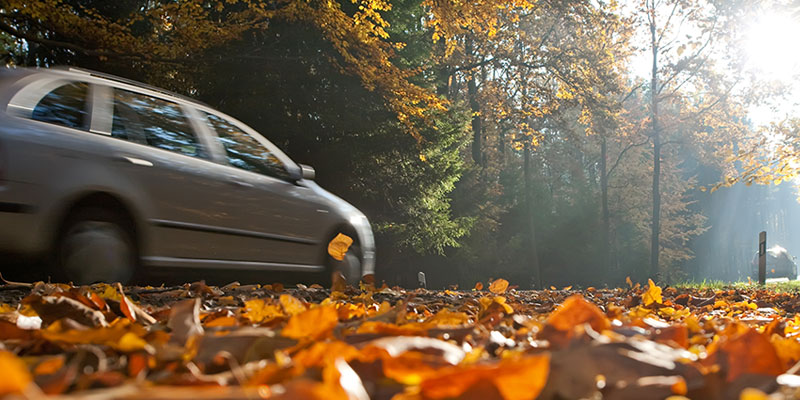

The Car Care Council recommends the following Fall Car Care Month checklist to make sure your vehicle is ready for cold winter weather ahead.

Heating, Wipers & Lights
  • Make sure heaters, defrosters and wipers work properly.
  • Consider winter wiper blades and use cold-weather washer fluid. As a general rule, wiper blades should be replaced every six months.
  • Check to see that all exterior and interior lights work and headlights are properly aimed.

Tires & Brakes

  • Check the tire tread depth and tire pressure of all tires, including the spare. If snow and ice are a problem in your area, consider special tires designed to grip slick roads.
  • During winter, tire pressure should be checked weekly.
  • Have the brakes checked. The braking system is the vehicle’s most important safety item.

Gas, Oil & Filters

  • Keep your gas tank at least half full throughout the cold weather to prevent moisture from forming in gas lines and possibly freezing.
  • Be diligent about changing the oil and filter at recommended intervals. Dirty oil can spell trouble in winter. Consider changing to “winter weight” oil if you live in a cold climate.
  • Check the fuel, air and transmission filters at the same time.

System Checks – Charging, Cooling & Exhaust

  • Have the battery and charging system checked, as cold weather is hard on batteries.
  • Clean, flush and put new antifreeze in the cooling system. As a rule of thumb, this should be done every two years.
  • Have the exhaust system checked for carbon monoxide leaks, which can be especially dangerous during cold weather driving when windows are closed.

Pack the Essentials

  • Make sure that your ice scraper and snow brush are accessible and ready to use.
  • Stock an emergency kit with jumper cables, a flashlight, blankets, extra clothes, bottled water, nonperishable food and a first aid kit with any needed medication.


Source - carcare.org

Friday, August 28, 2015

12 Tire Changing Steps


This is a quick run-down on what to know and steps to take when changing a flat tire. We’re sure there are more tips than this, but these are good universal tips for all of us.

  1. Pull your vehicle as far over or even off the main road if possible for safety.

  1. Locate the jack and tire wrench in your vehicle. If you are unsure where it is, pull out the manual and look it up. Many times it is located in the trunk somewhere.

  1. Follow the instructions in your manual or on the jack to place the jack in the correct spot underneath and get it snug on the frame while not quite raising it up yet.

  1. Take your wrench and start to loosen each lug nut just a little so each is started.

  1. Once they are loose, go ahead and jack the vehicle up until the vehicle tire is off the ground.

  1. Once off the ground, loosen all the lug nuts until they come off. Pull the flat tire straight off. If you pull at an angle the rim may catch on the bolt threads and make it difficult to pull off.

  1. Roll the old tire off to behind the vehicle, and grab your spare tire. Many times the spare will look smaller than the original. That is because it is just made to be a temporary tire to get you to the tire garage and get the flat tire repaired or replaced.

  1. Take your spare tire and line up the bolt holes with the rim with the bolts or holes on the hub and try to put it straight on.

  1. Holding the tire on with one hand, take one of your tire bolts and start to screw it into the top hole. Once that is tight enough to hold the rim on, hand tighten the rest of the bolts on.

  1. Take your wrench and firmly snug them all up using a criss cross pattern instead of going clock-wise or counter-clockwise.

  1. Slowly lower the jack so the tire is now on the ground. Give each bolt a good turn to make sure they are all tight.

  1. Don't forget to put the jack and wrench back in their compartments, and throw the flat in your trunk. Since most spares are temporary it is wise to head straight to the tire center and have your tire fixed or replaced as soon as possible.

Follow these steps to keep your frustrations to a minimum with your unfortunate circumstance. If you ever feel you are in an unsafe area, call a tow truck to either change it for you or tow you to a garage that can help.

Wednesday, July 15, 2015

How to Parallel Park Like a Pro!


Do you have what it takes to park like a pro? Here's a quick how-to that will dramatically elevate your parallel parking game. Hosted by Unbox Therapy's Lewis Hilsenteger.


Friday, July 10, 2015

Top 4 Reasons to Avoid Parking Under Trees!


In these hot summer months, the temptation to search for shade in which to park is very high, especially if you have leather interior. Nobody enjoys the feeling of leaving a restaurant or returning to their car from running errands and then hopping in a scorching seat. To top it off, you have to sit in the sun while your car cools down because your steering wheel is as hot as a stove top! Everybody appreciates a chance at avoiding this discomfort.


Unfortunately, parking under trees is not a solution. While you can certainly park your car in the shade of a distant tree or nearby building, there are numerous reasons why you should never park your car directly under a tree, no matter if it is in your driveway or a parking lot. Here are the top 4 reasons to stay away from trees, no matter how shady they are:

1. Bird droppings are no fun. If you are like most people, you do not appreciate seeing a smear of droppings across your windshield or around your door. It almost seems as if birds do this on purpose, especially if your car is new or has just been washed and waxed. Not only are these gifts from above unsightly and gross, especially if they land on your door handles, they can also be harmful to your vehicle. Bird droppings can fade and chip paint over time, leaving stains that never go away, no matter how hard these areas are scrubbed. It is recommended that you wash off bird droppings as soon as possible. Parking under a tree invites feathered fiends--which love resting and nesting in trees, of course--to turn your car into a toilet.

2. When bad weather strikes, you should feel lucky to be indoors. You can be safe and dry inside a building and leave your car unattended in the storm. The most common case of foul weather, light rain, is no big deal to your vehicle. However, if you are parked under a tree, even the slightest winds and rain can lead to a major problem for your car. Loose branches and sticks can easily fall onto it, scratching your paint job or even damaging your glass. If the weather gets very intense, the entire tree could fall on your vehicle. A windshield replacement is simple and affordable enough, but what do you do when your entire roof or hood is smashed in?

3. The only perk to parking under a tree is its shade. However, there are simple solutions to beating the hot sun. You can have your windows tinted, replace them with pre-tinted glass, or put up a simple sun visor. These things might seem like relics from the 80s and 90s but they are still perfectly effective at bouncing sunlight away from your car, which keeps it cool.

4. Not only do birds love leaving their droppings on cars, but they will also love standing on your car. Trees do not only attract birds. Cats may venture by for a hunt and climb atop your vehicle with their dirty paws and sharp claws. Squirrels, mice, raccoons and other small animals may also climb onto your vehicle, eat atop it, and leave nutshells, dirt, and stray hairs behind as they participate in the little ecosystem around the tree. Heaven forbid one of these larger animals should urinate or leave droppings on your car. 

While many of these problems seem unlikely, you could also say that car accidents are unlikely. Everyone knows, though, that when it comes to your vehicle and safety, you should do everything you can to prevent damage. Avoid parking under trees to minimize these risks.

Monday, December 22, 2014

Winter Driving Tips | Metro Ford Chicago IL


Severe weather can be both frightening and dangerous for automobile travel. Motorists should know the safety rules for dealing with winter road emergencies. We want to remind motorists to be cautious while driving in adverse weather. 

We recommend the following winter driving tips:
  • Avoid driving while you’re fatigued. Getting the proper amount of rest before taking on winter weather tasks reduces driving risks.
  • Never warm up a vehicle in an enclosed area, such as a garage.
  • Make certain your tires are properly inflated.
  • Never mix radial tires with other tire types.
  • Keep your gas tank at least half full to avoid gas line freeze-up.
  • If possible, avoid using your parking brake in cold, rainy and snowy weather.
  • Do not use cruise control when driving on any slippery surface (wet, ice, sand).
  • Always look and steer where you want to go.
  • Use your seat belt every time you get into your vehicle.
Tips for long-distance winter trips:
  • Watch weather reports prior to a long-distance drive or before driving in isolated areas. Delay trips when especially bad weather is expected. If you must leave, let others know your route, destination and estimated time of arrival.
  • Always make sure your vehicle is in peak operating condition.
  • Keep at least half a tank of gasoline in your vehicle at all times.
  • Pack a cellular telephone plus blankets, gloves, hats, food, water and any needed medication in your vehicle.
  • If you become snow-bound, stay with your vehicle. It provides temporary shelter and makes it easier for rescuers to locate you. Don’t try to walk in a severe storm. It’s easy to lose sight of your vehicle in blowing snow and become lost.
  • Don’t over exert yourself if you try to push or dig your vehicle out of the snow.
  • Tie a brightly colored cloth to the antenna or place a cloth at the top of a rolled up window to signal distress. At night, keep the dome light on if possible. It only uses a small amount of electricity and will make it easier for rescuers to find you.
  • Make sure the exhaust pipe isn’t clogged with snow, ice or mud. A blocked exhaust could cause deadly carbon monoxide gas to leak into the passenger compartment with the engine running.
  • Use whatever is available to insulate your body from the cold. This could include floor mats, newspapers or paper maps.
  • If possible run the engine and heater just long enough to remove the chill and to conserve gasoline.
Tips for driving in the snow:
  • Accelerate and decelerate slowly. Applying the gas slowly to accelerate is the best method for regaining traction and avoiding skids. Don’t try to get moving in a hurry. And take time to slow down for a stoplight. Remember: It takes longer to slow down on icy roads.
  • Drive slowly. Everything takes longer on snow-covered roads. Accelerating, stopping, turning – nothing happens as quickly as on dry pavement. Give yourself time to maneuver by driving slowly.
  • The normal dry pavement following distance of three to four seconds should be increased to eight to ten seconds. This increased margin of safety will provide the longer distance needed if you have to stop.
  • Know your brakes. Whether you have antilock brakes or not, the best way to stop is threshold breaking. Keep the heel of your foot on the floor and use the ball of your foot to apply firm, steady pressure on the brake pedal.
  • Don’t stop if you can avoid it. There’s a big difference in the amount of inertia it takes to start moving from a full stop versus how much it takes to get moving while still rolling. If you can slow down enough to keep rolling until a traffic light changes, do it.
  • Don’t power up hills. Applying extra gas on snow-covered roads just starts your wheels spinning. Try to get a little inertia going before you reach the hill and let that inertia carry you to the top. As you reach the crest of the hill, reduce your speed and proceed downhill as slowly as possible.
  • Don’t stop going up a hill. There’s nothing worse than trying to get moving up a hill on an icy road. Get some inertia going on a flat roadway before you take on the hill.
  • Stay home. If you really don’t have to go out, don’t. Even if you can drive well in the snow, not everyone else can. Don’t tempt fate: If you don’t have somewhere you have to be, watch the snow from indoors.
Original post can be viewed here.